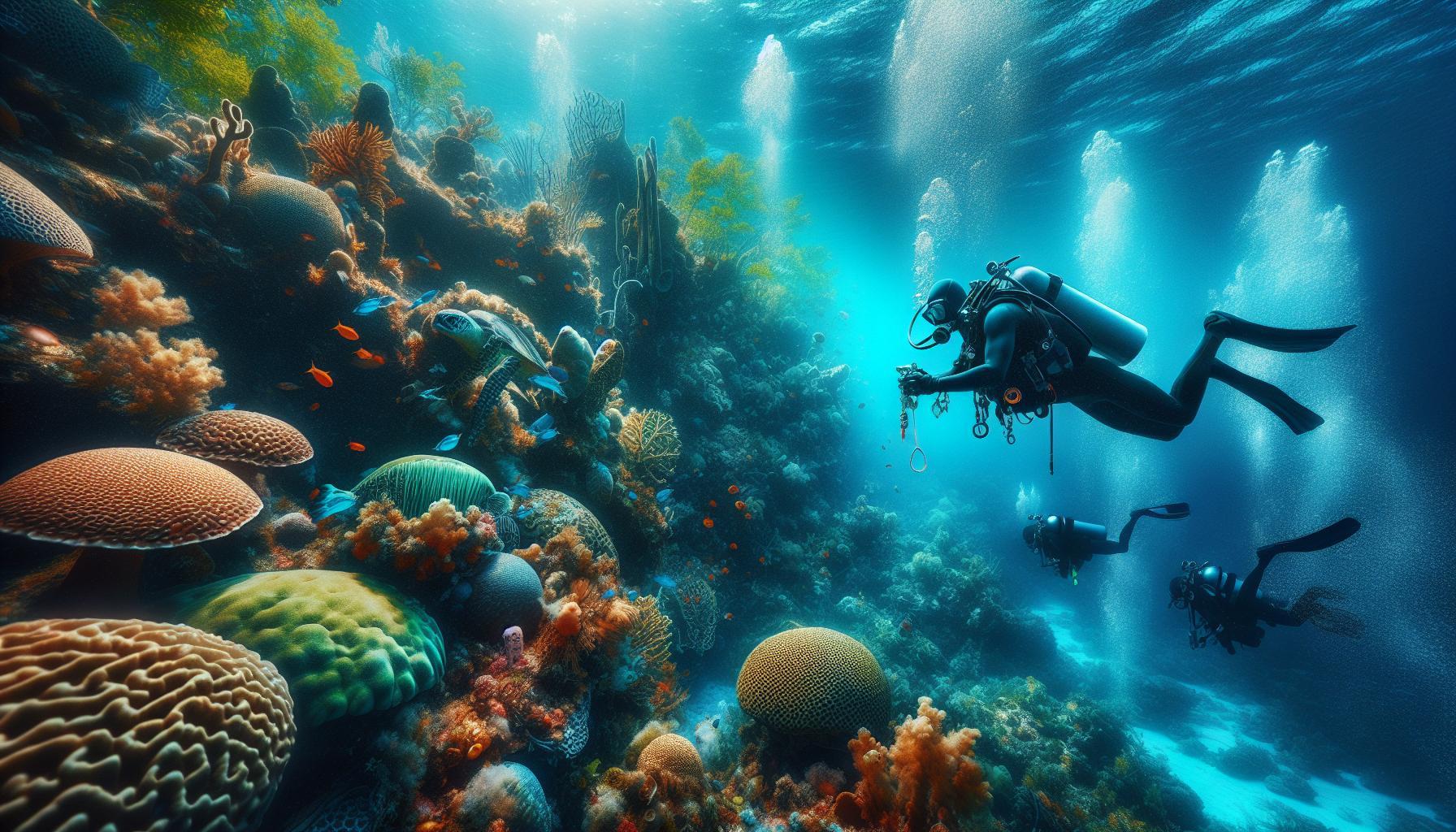
Is Freediving Safer Than Scuba Diving? Comparing Risks and Rewards. As we dive into the depths of this debate,the question looms: which underwater adventure is less risky? While both pursuits offer stunning encounters with marine life,understanding their dangers is crucial. Let’s explore the unique risks and rewards of freediving and scuba diving to determine which activity might leave you feeling safer—and a little more buoyant!
Understanding Freediving and Scuba Diving: core Concepts Explained
When assessing whether freediving is safer than scuba diving, it’s essential to begin with a solid understanding of both activities. Freediving involves diving underwater without the use of breathing apparatus, relying solely on one’s ability to hold their breath. In contrast, scuba diving requires the use of a tank and associated gear to breathe underwater. While both offer unique experiences and challenges, the risks associated with each differ significantly. This section will explore these core concepts and their implications for safety.
Freediving: Essential Principles and risks
Freediving, or breath-hold diving, emphasizes natural buoyancy and the ability to conserve breath while underwater. The sport allows divers significant freedom to explore, but it comes with a specific set of risks, largely related to the physiological response to deep diving and breath-holding.
- Barotrauma: Freedivers can experience injuries from rapid pressure changes, leading to ear and lung damage.
- shallow Water Blackout: A loss of consciousness due to hyperventilation before a dive can occur, perhaps caused by reduced oxygen levels.
- Hypoxia: Insufficient oxygen supply leads to a risky state were divers might not necessarily recognize their limits.
Despite these risks,many freedivers find the practise to be exhilarating and rewarding. With proper training and adherence to safety protocols, many accidents can be avoided. This includes techniques such as buddy diving, where divers monitor each other for safety, and practicing relaxation techniques to manage heart rates and air consumption.
Scuba Diving: Structure and Safety Measures
Scuba diving relies on a thorough understanding of equipment such as tanks, regulators, and buoyancy control devices, which allow divers to stay submerged for longer durations compared to freedivers. The risks of scuba diving are closely tied to equipment failure as well as the physiological challenges of deep diving.
- Decompression Sickness: Also known as “the bends,” this condition occurs when a diver ascends too quickly, leading to nitrogen bubbles forming in the bloodstream.
- Air Embolism: This life-threatening condition results from the rapid expansion of air in the lungs during ascent, which can lead to serious injury or death.
- equipment Malfunction: Failures in gear can create immediate dangers that necessitate divers to be well-trained in emergency procedures.
Scuba divers must also adhere to strict safety protocols,such as monitoring air supply,adhering to depth limits,and managing ascent rates.Regular training and certification aid in minimizing risks, making scuba diving relatively safe when proper precautions are followed.
Comparative Risks and Rewards
When comparing the risks associated with freediving and scuba diving, understanding the nature of each practice can definitely help in determining which might potentially be considered safer for a specific individual. The following table summarizes some key differences:
| Aspect | Freediving | Scuba Diving |
|---|---|---|
| Breathing Technique | Breath-holding | Using tanks and regulators |
| Primary Risks | Shallow water blackout, hypoxia, barotrauma | Decompression sickness, air embolism, equipment failure |
| Training Requirements | General training for safety, buddy systems | Certification courses required |
| Physical Fitness | Highly beneficial; enhances performances | Beneficial; though bulky gear may limit movement |
| Underwater Duration | Limited by breath-holding capacity | Extended via tank supplies |
Ultimately, the safety of each diving method depends on the diver’s experience, training, and adherence to safety protocols. Those who are well-trained and understand their limits are likely to mitigate risks effectively, nonetheless of their chosen diving method.
Is Freediving Safer Than Scuba Diving? An In-Depth Risk Comparison
Is Freediving Safer Than Scuba Diving? Comparing Risks and Rewards
When considering the safety of freediving versus scuba diving, it is essential to understand the distinct risks associated with each activity, and also the skills required for each. Both methods of exploring the underwater world come with their own set of advantages and potential hazards. This section delves into an in-depth risk comparison to help you evaluate which diving style may be safer for you.
Understanding the Risks of Freediving
Freediving, by it’s nature, presents unique risks primarily associated with breath-holding and the physiological demands it places on the body. The safety in freediving is deeply tied to the diver’s ability to recognize and manage their limits.
- Shallow Water Blackout: One of the most critical risks in freediving is shallow water blackout, which occurs when a diver loses consciousness due to a lack of oxygen before surfacing.
- Equalization Issues: Freedivers must equalize their ears and sinuses while descending. Failure to do so can lead to barotrauma.
- Lack of Immediate Safety Measures: Unlike scuba diving, where divers use tanks and can easily ascend to the surface, freedivers must rely on their ability to surface quickly and effectively.
Despite these risks, many experienced freedivers advocate that with proper training, awareness, and safety measures, such as diving with a buddy, the dangers can be mitigated effectively. Freediving tends to allow for a natural connection to the marine environment, making it a unique experience when performed safely.
The Risks of Scuba Diving
In contrast to freediving, scuba diving involves utilizing pressurized tanks, which introduces its own set of risks. Understanding the greater reliance on equipment helps clarify some of the challenges faced by scuba divers.
- decompression Sickness (The Bends): Scuba divers are susceptible to decompression sickness, which can occur if they ascend too quickly, leading to potentially severe health consequences.
- Equipment Failure: Dependency on gear creates a risk of malfunctions that could lead to emergencies underwater, including oxygen depletion or regulator failure.
- Diving in Complex Environments: Scuba divers often explore deeper and more elaborate sites,increasing the risk of disorientation or running into technical challenges.
While scuba diving can be highly rewarding, it demands comprehensive training and adherence to safety protocols to mitigate risks effectively. Divers are encouraged to always dive within their certification level and to conduct thorough equipment checks before each dive.
Comparative Safety Overview
Both diving styles come with inherent risks, but safety largely depends on the diver’s knowledge, experience, and adherence to best practices. The table below highlights some comparative aspects of safety in freediving versus scuba diving:
| Aspect | Freediving | Scuba Diving |
|---|---|---|
| Training Requirements | Minimal, but crucial for safety | Extensive with structured certification paths |
| emergency Response | Immediate, reliant on natural abilities | Complex; involves equipment recovery and ascent techniques |
| Depth Limitations | Defined by breath-hold ability | Defined by gas mix and no-decompression limits |
| Physical Fitness | High emphasis on overall fitness and breath control | Variable; dependent on equipment use and dive type |
Ultimately, the question of whether freediving is safer than scuba diving does not have a definitive answer. Each individual’s experiences may differ based on personal capabilities and circumstances. Understanding the risks and preparing adequately through training can enhance safety in either diving modality.

Key Benefits of Freediving: Why Some Divers Prefer It
Freediving offers unique advantages that make it a compelling choice for many water enthusiasts. Compared to scuba diving, the benefits of freediving extend beyond the thrill of exploring the depths; they encompass physical, mental, and safety aspects that can enhance the overall diving experience.
Health Benefits
Freediving encourages significant physiological benefits. Training in this discipline boosts lung capacity and enhances overall respiratory function, which can lead to improved stamina both underwater and on land. The controlled breathing techniques utilized in freediving not only promote relaxation but also foster better oxygen efficiency.
- Improved lung function: Continuous practice strengthens the diaphragm and expands total lung volume.
- Enhanced mental clarity: Meditation-like breathing helps sharpen focus and awareness during dives.
- Cardiovascular benefits: Regular freediving can lead to lower resting heart rates and improved circulation.
Connection with Nature
Freediving allows divers to experience the underwater world in a way that is unobtrusive and intimate. This connection can foster a sense of peace and a deeper appreciation for marine environments,which is frequently enough enhanced by the absence of bulky gear.
- Minimal impact: Freediving produces less noise and disturbance compared to scuba, allowing divers to interact with marine life more closely.
- Freedom of movement: Without the constraints of scuba equipment, divers can maneuver more fluidly in the water.
Safety Considerations
Freediving is frequently enough perceived as safer than scuba diving, primarily due to its simplicity and reduced equipment requirements. Even though all forms of diving carry inherent risks, freediving can offer distinct safety advantages:
- No decompression sickness risk: Freedivers do not experience the decompression-related hazards associated with longer dives using pressurized air.
- Less equipment to manage: The absence of heavy gear means fewer mechanical failures and complications.
- Enhanced self-awareness: Freedivers learn to listen to their bodies and recognize when to ascend, reducing the risk of accidents.
Cost Efficiency
freediving is generally more affordable than scuba diving,both in terms of initial investment and ongoing costs. freedivers require minimal equipment—often just a wetsuit, mask, fins, and snorkel. This lower barrier to entry opens the sport to a wider audience.
| Aspects | Freediving | Scuba Diving |
|---|---|---|
| initial Equipment Cost | Low | High |
| Ongoing maintenance | Minimal | Significant |
| Training Costs | Moderate | Higher due to certification |
Scuba Diving Advantages: What Makes it a Popular Choice?
is Freediving Safer Than Scuba Diving? Comparing Risks and Rewards
Scuba diving is a well-established recreational activity that offers unique experiences underwater, attracting thousands of enthusiasts worldwide. Its popularity can be attributed to several advantages that make it a preferred choice for both beginners and experienced divers.One of the primary attractions of scuba diving is the extensive equipment that allows divers to explore greater depths and stay submerged for longer periods. The use of tanks and breathing apparatus enables divers to experience the underwater world more comfortably and safely. Additionally, scuba diving provides a variety of thrilling encounters with marine life, from vibrant coral reefs to shipwrecks teeming with fish.
Key Advantages of Scuba Diving
- Extended Dive Duration: Scuba diving allows divers to remain underwater for extended periods, often exceeding an hour, depending on their air supply and the dive’s depth.
- Deeper Exploration: Scuba gear enables divers to reach depths of 130 feet or more, where they can discover unique underwater ecosystems.
- Safety Features: Modern scuba equipment includes backup systems and safety protocols, enhancing the overall safety of diving.
- Training and Certification: Various organizations provide comprehensive training programs, ensuring divers are well-prepared for underwater challenges.
- Support for Various Dive Types: Scuba diving accommodates a range of diving activities, such as wreck diving, cave diving, and night diving.
Environmental and Health Benefits
Diving allows individuals to connect with marine ecosystems, fostering a sense of appreciation for underwater environments. Engaging in scuba diving can lead to numerous health benefits,including increased physical fitness,improved breathing techniques,and the reduction of stress.
Moreover,scuba divers often take part in conservation efforts,promoting awareness and preservation of marine life. This commitment to environmental stewardship enhances the overall experience while diving, making it more rewarding and fulfilling.
Community and Shared Experiences
The scuba diving community is vast and welcoming, providing opportunities for divers to connect with like-minded individuals. Joining dive clubs or participating in group dives creates lasting friendships and shared experiences, enriching the diving journey.
the advantages of scuba diving—ranging from safety and extended dive durations to community engagement and environmental awareness—make it a popular choice for underwater enthusiasts. As such, when comparing the risks and rewards of scuba diving and freediving, these factors play a significant role in determining personal preferences and dive experiences.
Potential Risks of freediving: Recognizing the Challenges
Freediving, while thrilling and often described as a more natural form of underwater exploration, comes with its own set of risks that diver from safer diving options like scuba diving. understanding these potential hazards is crucial for anyone considering taking the plunge into this exciting sport. The most significant risks associated with freediving include shallow water blackouts, ear and sinus damage, nitrogen narcosis, and decompression sickness.Recognizing these challenges can aid in safer practices and overall enjoyment of the activity.
Shallow Water Blackout
one of the most serious dangers faced by freedivers is the shallow water blackout. This phenomenon occurs when a diver loses consciousness due to the decreased oxygen levels in the blood during ascent. The risks are particularly high in the ten-meter range, where many divers tend to ascend rapidly after holding their breath. The body’s response to hypoxia can lead to a blackout just when control is needed most, making it critical for divers to be aware of their limits and avoid pushing beyond them [[1]].
To mitigate the risks of shallow water blackouts, divers should adhere to these guidelines:
– Always dive with a buddy who can assist in case of an emergency.
– Practice relaxation techniques to reduce oxygen consumption exhalation before diving.- Get trained in breath-hold techniques to extend dive times safely.
Ear and Sinus Damage
dealing with changes in pressure is a significant challenge when freediving. The descent and ascent can cause discomfort and possible injury to the ears and sinuses, known as barotrauma. If equalization techniques are not employed properly, divers can experience pain, ruptured eardrums, or sinus blockages. This can lead to further complications if not addressed immediately.
Tips for preventing ear and sinus damage include:
– Learning and practicing proper equalization techniques before diving.
– Ascending slowly to allow for gradual pressure changes.
– Avoiding diving if experiencing a cold or sinus infection.
Nitrogen Narcosis
Although nitrogen narcosis is more commonly associated with deeper scuba dives, it can occur during freediving as well when depths go beyond 30 meters. This condition, often referred to as “the martini effect,” is characterized by impaired judgment, coordination, and cognitive functions due to nitrogen’s effects on the body in deeper waters. While many recreational freedivers may not reach such depths, it is crucial to recognize the risk exists, especially for those pushing their limits.
Awareness and training can help prevent nitrogen narcosis:
– Understand the symptoms, which include euphoria, disorientation, and confusion.
– Limit dives to depths where narcosis is known to be a risk unless adequately trained.
Decompression Sickness
Decompression sickness (DCS), also known as “the bends,” is usually associated with scuba diving but can affect freedivers too, particularly those who frequently dive deep and ascend rapidly without sufficient surface time. DCS occurs when dissolved gases come out of solution in bubbles, leading to varying degrees of physical distress.
Preventative measures against DCS include:
– Avoiding rapid ascents, especially after deeper dives.
- Implementing a safety stop during ascents, typically at a depth of around 5 meters.
– Allowing adequate surface intervals between multiple dives.
Diving Hazards: Scuba Diving Risks You need to Know
Diving, whether through scuba or freediving methods, presents unique risks associated with the underwater environment. Understanding these risks is vital for any diver looking to enjoy their experience while minimizing the dangers involved. This section delves into the primary hazards linked to scuba diving,offering insights into how they compare to freediving risks.
Common Scuba Diving Risks
Scuba diving comes with its set of specific hazards that divers should be aware of:
- Drowning: A leading risk associated with scuba diving,it may occur due to panic,equipment failure,or sudden illness.
- decompression Sickness: Also known as “the bends,” this condition arises when a diver ascends too quickly, causing nitrogen bubbles to form in the bloodstream.
- Barotrauma: Changes in pressure can lead to barotrauma, particularly affecting the ears and sinuses.
- Shallow Water Blackout: Though primarily linked to freediving, it can occur in scuba diving if divers hold their breath during ascent.
- Equipment Failure: Reliance on equipment introduces risks if gear is improperly maintained or malfunctions underwater.
Freediving Risks Comparison
While both scuba diving and freediving involve risks, the nature of those risks differs significantly:
| Risk Factor | Scuba Diving | Freediving |
|---|---|---|
| Drowning | Common due to gear failure or panic. | More likely due to shallow water blackout or hyperventilation. |
| Pressure-Related Injuries | Decompression sickness, barotrauma. | Less prevalent, but can include lung expansion injuries. |
| blackouts | Less common, mainly if breath-holding during ascent. | Frequent risk, especially in deeper dives. |
| Equipment Risks | Dependent on scuba gear reliability. | Minimal, but some free divers use buoyancy aids. |
long-term Health Considerations
Both forms of diving can impact long-term health, though the nature of these effects varies between the two. Freediving can lead to pulmonary damage or increased cardiovascular strain due to repeated breath-holding. Conversely,scuba diving can contribute to chronic issues related to decompression illness or lung overexpansion injuries if not properly managed. It’s essential for both divers to recieve training and adhere to safety protocols to minimize these long-term risks.
Understanding the hazards of both scuba and freediving enables divers to take appropriate precautions, making their underwater adventures safer while enjoying the rewards of these thrilling activities.
Practical Applications: when to Choose Freediving or Scuba Diving
Understanding when to choose freediving over scuba diving can greatly enhance your underwater experience, allowing you to maximize safety and enjoyment based on your individual skills, preferences, and the specific environment. Both disciplines offer unique benefits and risks, making it essential to evaluate the context of your dive type, personal experience level, and the underwater conditions.
consider Your Experience Level
Your level of experience can dictate which diving method is more suitable. Freediving relies on breath-hold techniques and requires significant practice to master safety protocols. Beginners may find the controlled environment of scuba diving more reassuring, thanks to the use of breathing apparatuses that allow for extended periods of diving without the immediate need to surface.
- Beginner: If you’re new to underwater exploration, scuba diving provides a safer entry point with equipment that manages airflow.
- Intermediate: If you have some experience but are still honing your skills, opting for guided dives in either discipline can enhance your learning.
- Advanced: Experienced divers often choose freediving for its simplicity and closeness to the marine environment, allowing for deeper connections with the underwater world.
Environmental Considerations
The choice between freediving and scuba diving can also depend significantly on environmental factors such as water conditions, visibility, and marine life. Freediving is ideal for shallow waters like reefs where topside visibility is crucial for navigation and safety. In contrast, scuba diving is preferred in deeper or murkier waters where a breathing apparatus allows divers to explore without frequent surface interruptions.
| Factors | Freediving | Scuba Diving |
|---|---|---|
| Water Depth | Shallow (< 20m) | deeper (> 20m) |
| Visibility | Good visibility preferred | Works in various visibility conditions |
| Marine Life | Closer observation and interaction | Can encounter larger species in deeper waters |
Personal Goals for the Dive
Your goals for the dive can influence your choice significantly. If you’re seeking an adrenaline rush, freediving can offer exhilarating experiences as you dive deeper using only your breath. It allows for a more organic interaction with marine life and the water’s surface.
- Recreational Exploration: Freediving is often more appealing for those looking to explore the shallows or enjoy free movement.
- Extended Underwater Time: Scuba diving allows for longer dive times, making it favorable for thorough explorations or photography.
- Training and Competition: Freediving can be pursued as a competitive sport, attracting those interested in pushing their limits.
Safety Considerations
Safety is paramount in both diving methods but follows differing protocols. Freediving demands strict adherence to safety practices to manage risks like shallow water blackout or hyperventilation. In contrast,scuba diving has its own set of risks,including decompression sickness and equipment malfunction.
- Freediving Safety: Always practice with a buddy, be aware of your limits, and understand the physiological impacts of breath-holding.
- Scuba Diving Safety: Regularly check equipment functionality, master ascent and descent techniques, and always decompress appropriately.
both freediving and scuba diving have significant advantages and certain risks. It is essential to consider personal experience, environmental conditions, goals for the dive, and safety when deciding which method to pursue. By assessing these factors, divers can choose the diving discipline that best suits their needs, ensuring a rewarding and safe underwater adventure.
actionable Tips for Safer Diving Practices in Both Freediving and Scuba Diving
Diving safety is paramount whether you are engaging in freediving or scuba diving. Each discipline presents unique risks and challenges, but both require adherence to certain guidelines to ensure a safe and enjoyable experience. By following established practices, divers can significantly mitigate risks associated with diving, allowing them to fully appreciate the underwater world.
Get Certified and stay Educated
Certification is essential in both freediving and scuba diving. Certified divers receive comprehensive training that covers safety protocols, emergency procedures, and theoretical knowledge. The importance of continuous education cannot be overstated. New techniques, equipment, and safety measures are developed regularly, and staying informed can greatly enhance safety.
- Choose a reputable certifying agency: Organizations like PADI and NAUI for scuba diving or AIDA for freediving ensure high standards.
- Engage in refresher courses: For divers who haven’t been active for a while, refresher courses can help refresh vital skills.
- Study conditions: Understanding local marine environments and conditions prepares divers for what to expect.
Plan Your Dive and Dive Your Plan
Pre-dive planning cannot be overlooked. Proper planning encompasses assessing dive locations, weather conditions, and diving goals, which is critical for both freediving and scuba diving.
- Conduct thorough research: Before diving,check local conditions and tides which could impact visibility and safety.
- Establish clear communication: Discuss plans with your dive buddy, including signals for communication underwater.
- Set dive limits: Know your personal limits in terms of depth and time to avoid pushing beyond safe boundaries.
Practice Safety Checks and equipment Maintenance
Adequate preparation includes performing safety checks. Equipment malfunction can lead to serious issues; therefore, regular maintenance and checks before each dive are crucial.
| Freediving Safety Checks | Scuba Diving safety Checks |
|---|---|
| Inspect fins, mask, and snorkel for damage. | Check tank pressure and fill level before diving. |
| Ensure buoyancy control device (BCD) is functioning well. | Inspect your regulator and alternative air source. |
| Test weight belt for secure fit. | Verify that all gauges are operational and visible. |
Understand and Monitor Your Body
Both freedivers and scuba divers need to be aware of their physical limits and how their bodies react to diving pressures and environments.
- Monitor hydration: Staying hydrated helps prevent decompression sickness and promotes overall health while diving.
- Practice relaxation techniques: In freediving,stress can affect breath-holding capacity; relaxation is key.
- Equalize ear pressure: Both divers should learn how to equalize pressure effectively to prevent ear injuries.
Never Dive Alone
Having a buddy system is one of the most effective ways to enhance safety during dives.Two or more divers can definitely help each other in emergencies, providing additional support.
- Stick together: Always remain within sight of your dive buddy.
- Establish emergency protocols: Know how to assist each other in case of gear failure or panic.
- Communicate regularly: Use signals to ensure both divers are comfortable and aware of each other’s status.
Conduct Post-Dive Reflection
After each dive, it’s beneficial to reflect on the experience. Discuss what went well, what could be improved, or any concerns that arose during the dive. This can foster better practices for future dives.
- Debrief with your buddy: Go over the dive plan, execution, and any unexpected occurrences.
- Take notes: Record observations or conditions that may help in future dives.
- Assess your physical condition: pay attention to any signs of discomfort or issues that need addressing.
Faq
Is Freediving inherently safer than scuba diving?
Freediving and scuba diving each come with distinct risks and training requirements, making an overarching assessment of safety complex. Freediving relies on breath-holding, which means divers must be acutely aware of their body’s limits and the signs of hypoxia, or lack of oxygen. Proper training emphasizes safety protocols like equalization techniques and shallow-water blackout prevention, which can mitigate risks significantly.
On the other hand, scuba diving involves using tanks and breathing equipment, which introduces risks related to equipment malfunction, decompression sickness, and nitrogen narcosis. The necessity for careful monitoring of air supply and pressure levels can complicate the diving experience. Both activities require professional training to ensure safety; however, statistics suggest that scuba diving may have a higher rate of incidents related to equipment failure or health issues, particularly in untrained individuals.
What are the key risks associated with freediving?
Freediving primarily entails risks related to breath-holding and hypoxia. One of the most serious hazards is shallow-water blackout, where a diver loses consciousness due to oxygen deprivation just before surfacing. This situation often arises when divers push beyond their limits without a safety buddy nearby. Moreover, improper equalization can lead to ear barotrauma, which occurs due to pressure changes in the ear during descent.
Freedivers also face risks from marine life and environmental hazards,particularly in unfamiliar waters. Training and awareness are crucial in preparing divers for potential encounters with dangerous aquatic animals. For example, some freedivers may disregard safety limits to dive deeper, increasing their risk of injury. To counteract these dangers, educational programs highlight well-defined safety protocols, buddy systems, and constant self-assessment.
How does scuba diving risk differ from that of freediving?
The risks in scuba diving are largely associated with equipment use and the physiological effects of breathing compressed air. Key hazards include decompression sickness, which can occur if divers ascend too quickly; nitrogen narcosis, resulting from high-pressure nitrogen absorption; and equipment failure, which can happen due to poor maintenance or user error. Scuba diving frequently enough requires a larger set of skills, such as managing buoyancy and monitoring air supply, thus increasing chances for complications.In contrast, freediving focuses on breath control and physical conditioning, posing risks primarily related to a diver’s physical limits. While less equipment-intensive, freediving requires a deep understanding of one’s own body and the effort to train for breath-holding and equalization. Each discipline has its unique challenges; thus, individual experience, health status, and adherence to safety protocols greatly influence the likelihood of encountering risks.
What training is essential to ensure safety in both disciplines?
In both freediving and scuba diving, comprehensive training is crucial for ensuring safety. Freediving courses typically cover breath-holding techniques,hypoxia awareness,and equalization methods,while emphasizing the importance of the buddy system. Learning to identify personal limits and practicing controlled ascents and descents are essential components of the training, empowering divers to handle emergencies should they arise.For scuba diving,training programs often include equipment management,emergency procedures,and understanding dive tables or dive computers. Divers learn to assess their air supply, monitor buoyancy, and effectively execute controlled ascent rates to reduce the risk of decompression sickness. Additionally, advanced training can help divers develop skills specific to their environments, such as wreck diving or deep-sea explorations, further increasing safety. In both cases, ongoing education and experience play vital roles in minimizing risks.
What role do physical fitness and mental preparedness play in safety?
Physical fitness and mental readiness are integral to safety in both freediving and scuba diving. Freediving requires excellent cardiovascular fitness and breath control; being in shape allows divers to hold their breath longer and ascend comfortably. Moreover, mental preparedness is crucial, as a calm and focused mindset can greatly reduce the risk of recognizing when to surface.
For scuba divers, a good fitness level enhances buoyancy control and minimizes fatigue during dives. Mental preparedness similarly impacts scuba divers,as the capability to remain composed can aid in making sound decisions,especially in emergencies. Stress management techniques, such as breathing exercises and pre-dive visualization, can definitely help foster a focused environment conducive to safety. Ultimately, a combination of physical and mental readiness goes a long way in promoting safe diving experiences in both disciplines.
How do environmental factors affect the safety of freediving and scuba diving?
Environmental conditions can significantly impact the safety of both freediving and scuba diving. For freedivers, factors like water temperature, visibility, and the presence of currents or waves are critical. Low visibility can pose risks during ascent, increasing the likelihood of disorientation or accidents. Similarly, currents can affect dive plans, making it essential to assess conditions beforehand and choose appropriate dive sites.
In scuba diving, environmental factors such as tides, weather, and water temperature can also greatly influence safety. Cold water diving necessitates additional equipment and acclimatization, as hypothermia can pose life-threatening risks. Additionally, strong currents in scuba diving can lead to dangerous situations, including being swept away from the dive site. Divers are advised to monitor weather forecasts and sea conditions regularly to ensure safe diving conditions. Employing diligent planning and adapting to environmental variables is key to minimizing risks in both activities.
Insights and Conclusions
Conclusion: weighing Freediving and Scuba Diving
the assessment of whether freediving is safer than scuba diving involves understanding the intrinsic risks associated with each method of underwater exploration. Freediving, which relies on breath-holding and does not utilize breathing apparatus, can lead to events like shallow water blackout and hypoxia, primarily stemming from improper training or inadequate safety measures. On the other hand, scuba diving, while generally considered safer due to the availability of breathing gas, carries risks such as decompression sickness and equipment failure.
Both activities offer unique experiences of the underwater world,but the choice between them should be informed by an individual’s skill level,training,and comfort in various diving environments. Engaging in proper education and adhering to safety protocols is essential in minimizing risks in both disciplines.
We encourage readers to explore further into the nuances of each diving style, considering taking courses or participating in community discussions to enhance their understanding and skill set. By doing so, divers can make informed decisions that align with their personal preferences and safety standards, ultimately leading to a more enriching underwater experience.